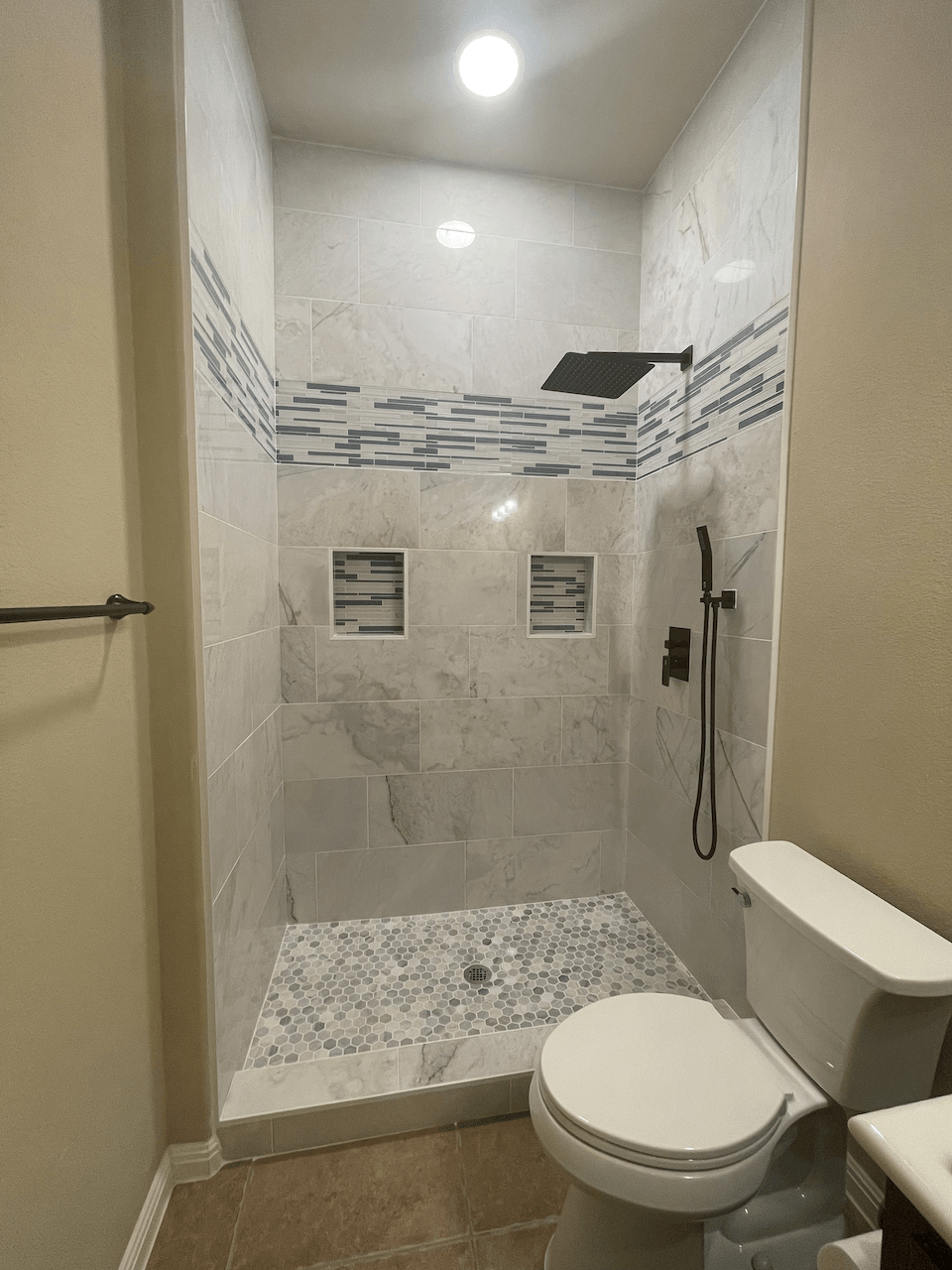
Everything You Need to Know About Tub to Shower Conversions

TP Bathroom Remodeling Austin • April 15, 2022

Bathroom Remodel Austin

Bathroom Remodel

If you're considering a tub to shower conversion for your home, you're not alone. Tub to shower conversions are becoming increasingly popular as homeowners seek more space and easier cleaning options. In this blog post, we will discuss the pros and cons of tub to shower conversions so that you can make an informed decision about whether or not this is the right option for you. We'll also provide tips on who to hire for the job and what you can expect from the process.


What is a tub to shower conversion and why would you want one done in your home?

A tub to shower conversion is exactly what it sounds like - converting an existing tub into a shower. There are several reasons why you might want to do this, including creating more space in your bathroom, making it easier to clean, and increasing the resale value of your home.


The pros of tub to shower conversions - more space, easier cleaning, and increased resale value

The biggest pro of tub to shower conversions is the increased space in your bathroom. If you have a small bathroom, getting rid of your tub can free up a significant amount of space. Tub to shower conversions can also make it easier to clean your bathroom since there are no more nooks and crannies for dirt and mold to hide in. Finally, tub to shower conversions typically increase the resale value of your home since they are seen as a luxury upgrade.


The cons of tub to shower conversions - can be expensive, may not be suitable for all homes, and can take time to complete.


While there are many benefits to tub to shower conversions, there are also some potential drawbacks . Tub to shower conversions can be expensive, especially if you hire a professional to do the work. Additionally, not all homes are suitable for tub to shower conversions - for example, if your bathroom is very small, you might not have enough space for a shower.


Finally, tub to shower conversions can take some time to complete, so if you're looking for a quick bathroom upgrade, this might not be the right option for you.


How do you know if a tub to shower conversion is right for you and your home?

The best way to determine if a tub to shower conversion is right for you is to consult with a professional. A contractor or designer will be able to assess your bathroom and let you know if a tub to shower conversion is feasible. They can also provide you with an estimate of the cost and time required for the project.


Who should you hire to do a tub to shower conversion in your home and what should you expect from the process?

If you've decided that a tub to shower conversion is right for you, the next step is to find a contractor to do the work. When hiring a contractor, be sure to ask for references and check their credentials. You should also expect them to provide you with a detailed estimate of the cost and time required for the project. Additionally, most contractors will require that you sign a contract before starting work.


How much does a typical tub to shower conversion cost homeowners in terms of both time and money?

The cost of a tub to shower conversion can vary depending on the size of your bathroom, the type of materials you use, and whether or not you hire a professional. However, most homeowners can expect to spend between $500 and $2000 on a tub to shower conversion. The project will also take some time to complete, so be sure to factor that into your budget.

Overall, tub to shower conversions are a great way to create more space and increase the value of your home. However, they can be expensive and time-consuming, so be sure to do your research before making a decision.


If you're thinking about a tub to shower conversion, contact a local contractor to get started. Tub to shower conversions are a great way to create more space in your bathroom and increase the value of your home. Tub to shower conversions can be expensive, so be sure to factor that into your budget. Tub to shower conversions can also take some time to complete, so be sure to factor that into your plans. Thanks for reading! I hope this article was helpful. Please feel free to leave a comment below if you have any questions. I'll be happy to answer them!


Contact Us:


TP Bathroom Remodeling Austin

Austin Tx 78745

512-270-2168

https://www.tileprosaustin.com/bathroom-remodeling-austin


You might also like

TP Bathroom Remodeling Austin

By TP Bathroom Remodeling Austin December 11, 2025
When it comes to the safety and stability of your home, certain warning signs should never be overlooked. Uneven floors and soft spots may seem like minor annoyances at first, but they often point to deeper structural issues that require immediate attention. Understanding what these symptoms mean can help you take proactive steps to protect your home’s value, safety, and long-term integrity. What Causes Uneven Floors? Uneven floors are among the most common indicators of underlying structural problems. While some causes are minor, others signal serious concerns. 1. Foundation Settlement Over time, soil shifts and moisture changes can cause a home’s foundation to move or sink. When this happens, floors begin to slope, dip, or feel unlevel. Foundation settlement is a major red flag that needs professional inspection as soon as possible. 2. Moisture Damage Water intrusion from plumbing leaks, roof leaks, or high humidity can weaken subfloor materials. As wood absorbs moisture, it swells, softens, and loses its structural strength—resulting in uneven flooring. 3. Poor Construction or Aging Materials Substandard framing, inadequate support beams, or simply aging structural components can also lead to floors that are no longer level. Soft Spots in Floors: Why They Matter A soft spot beneath your feet is more than an inconvenience—it’s a sign that the floor’s structural layers are compromised. 1. Rotting Subfloor Soft spots often occur when the wood beneath your flooring begins to rot. This is usually caused by long-term water damage from leaks or poor ventilation. 2. Termite or Pest Damage Termites and other pests can silently eat away at beams, joists, and subflooring. Because this damage often goes unnoticed until it becomes severe, any soft flooring deserves immediate inspection. 3. Deteriorated Joists or Supports If joists weaken—whether due to moisture, pests, age, or load inconsistencies—the floor above them begins to sag and soften. This requires prompt reinforcement or replacement. Why You Should Never Ignore These Warning Signs Uneven floors and soft spots don’t fix themselves. The longer you wait to investigate the issue, the more extensive and expensive repairs can become. 1. Safety Risks Structural weakness increases the risk of floor collapse, tripping hazards, and accidents inside your home. What seems small today can become dangerous tomorrow. 2. Property Damage Ignoring moisture-related issues can lead to widespread rot, mold growth, and compromised framing—affecting more than just your floors. 3. Higher Repair Costs Addressing structural concerns early usually means simpler repairs. Waiting until the damage spreads may require full subfloor replacement or major foundation work. 4. Reduced Home Value If you plan to sell your home, visible signs of uneven floors or soft spots can be a major turn-off for buyers and home inspectors. When to Call a Professional You should contact a structural or flooring specialist if you notice: Sloping or dipping floors Areas that feel spongy or soft underfoot Doors that won’t close properly due to shifting floors Cracks forming near floors or baseboards Sudden changes in floor level Professionals can diagnose root causes and provide tailored solutions—whether it’s repairing the subfloor, reinforcing framing, or addressing foundation issues. Protect Your Home by Acting Early Uneven floors and soft spots are more than cosmetic problems—they’re structural indicators you shouldn’t ignore. By addressing these issues promptly, you safeguard your home’s stability, reduce repair costs, and maintain a safe living environment. If you suspect your floor issues point to something deeper, don’t wait. Schedule a professional inspection to ensure your home stays strong, secure, and structurally sound. Serving Austin, Round Rock, Cedar Park, Pflugerfille, West Lake Hills, Bee Cave, Manor, Sunset Valley, Manchaca, Buda, Hornsby Bend, Hudson Bend Bathroom remodeling Austin, bathroom remodeling Austin Tx, Austin bathroom remodeling, bathroom remodelers Austin TP Bathroom Remodeling Austin Austin Tx 78745 512-270-2168 https://www.tileprosaustin.com/bathroom-remodeling-austin
December 10, 2025
When designing a shower niche, tile choices and installation details are what truly define both its visual impact and long-term performance. A shower niche isn’t just a storage space—it’s a built-in feature that highlights craftsmanship, elevates tile design, and brings everyday convenience to the homeowner. At Tile Installation Pros Austin , we help homeowners achieve the perfect blend of beauty and function by focusing on tile layout, materials, waterproofing, and finishing techniques that make a niche both practical and visually striking. Why Tile Matters Most in a Shower Niche The niche is one of the most prominent tile features in any shower. How the tile is selected, cut, and installed determines: The overall look and harmony of the shower Surface durability and ease of cleaning How seamless the tile lines appear within the larger layout Whether the niche becomes a subtle detail or a bold design element A niche is a small space with big influence—meaning every tile decision counts. 1. Tile Layout: Aligning the Niche With Your Tile Pattern When planning a niche, aligning it perfectly with the tile layout is essential. Tile-Focused Placement Tips: Position the niche so it falls within full tile rows to avoid small slivers. Align the top and bottom of the niche with grout lines for a seamless look. Consider the tile’s size and pattern before determining niche dimensions. Use the niche to highlight special tile, such as mosaics or decorative inlays. Tile Installation Pros Austin always starts with the tile layout, ensuring the niche looks intentional—not squeezed into place. 2. Choosing the Right Tile for Inside the Niche Different tile options can significantly affect both the aesthetics and utility. Popular Tile Choices for Niche Interiors: Mosaic Tiles: Perfect for niches because they follow contours easily and add visual interest. Porcelain Tiles: Durable, water-resistant, and available in countless finishes. Natural Stone: Adds luxury, especially when used as a contrasting feature inside the niche. Glass Tile: Brightens the space and pairs beautifully with modern designs. Tile Finish Considerations: Matte tiles add slip resistance for bottles. Glossy tiles reflect light and make niche interiors pop. Textured tiles add dimension but can be slightly harder to clean. Choosing tile that complements functionality ensures the niche looks beautiful and stays low-maintenance. 3. Selecting Trim Tiles or Edging for a Polished Look The trim around the niche is one of the hallmarks of professional tile installation. Edge Trim Options: Bullnose tile for smooth, traditional transitions Mitred tile edges for a sleek, high-end appearance Metal trim (like Schluter) for modern, clean lines Stone or quartz edging for durability and contrast Consistent edge finishing is essential for giving the niche a framed, refined, and well-crafted look. 4. Tile Patterns That Enhance the Niche A niche is the perfect place to introduce special tile patterns or highlight craftsmanship. Eye-Catching Tile Pattern Ideas: Herringbone or chevron mosaics for a designer focal point Vertical stacked tile to elongate the space Subway tile with contrasting grout to emphasize clean lines Large-format tile for a minimalist, uninterrupted look Tile Installation Pros Austin can help you blend creative tile design with practical spacing to ensure the niche remains easy to use. 5. Building a Durable Niche: Tile Installation Techniques That Matter Tile aesthetics mean little without proper installation. Key Tile-Specific Construction Details: Slope the niche shelf slightly to prevent standing water. Use waterproof backer boards before tile installation. Apply high-quality waterproofing membranes around all niche surfaces. Choose mold-resistant grout , such as epoxy or high-performance cementitious grout. Use color-matched silicone at all inside corners for flexibility and moisture protection. These steps ensure tiles stay secure, water stays out, and the niche remains beautiful for years. 6. Coordinating Niche Tile With the Rest of the Shower To maintain visual harmony, the tile inside and around the niche should complement the overall shower design. Design Balance Tips: Use the same tile inside the niche for a subtle, unified look. Add contrast with patterned or textured tile if you want the niche to stand out. Keep grout colors consistent across the shower to maintain continuity. Consider using the niche to tie together accent tiles used elsewhere in the bathroom. A well-coordinated tile plan ensures the niche enhances the entire space. Work With Austin’s Tile Niche Experts At Tile Installation Pros Austin , we specialize in designer-quality tile installation that combines durability, precision, and artistic detail. Whether you want a niche that blends seamlessly or a standout focal point, our tile experts can craft a space that elevates your entire shower. We serve Austin, Round Rock, Cedar Park, Pflugerfille, West Lake Hills, Bee Cave, Manor, Sunset Valley, Manchaca, Buda, Hornsby Bend, Hudson Bend Tile contractors, Tile contractor, Bathroom remodel Austin, Tile installers Tile Installation Pros Austin Austin, TX 78744 512-312-7956 https://www.tileprosaustin.com
By TP Bathroom Remodeling Austin December 4, 2025
When choosing a new bathroom sink, durability should be one of your top priorities. Your sink is used multiple times a day, exposed to water, humidity, cleaning products, and the occasional accidental impact. The right material doesn’t just enhance your bathroom design—it ensures long-term performance, easier maintenance, and better value for your remodeling investment. If you're planning a bathroom makeover in Austin, here’s a detailed guide to the most durable bathroom sink materials and what every homeowner should consider before deciding. 1. Porcelain: The Classic, Timeless Standard Porcelain sinks have remained a popular choice for decades—and for good reason. Why It’s Durable Highly resistant to stains and scratches Non-porous and easy to sanitize Retains its glossy finish for years Best For Homeowners who want a classic look with reliable long-term durability. Maintenance Tip Avoid abrasive cleaners to maintain the glaze. 2. Fireclay: A Premium, Heavy-Duty Material Fireclay sinks are made by molding clay and glaze together and firing at extremely high temperatures. Why It’s Durable Exceptional resistance to heat, impact, and chipping Dense, ultra-hard surface Low-maintenance Best For Modern and farmhouse-style bathrooms requiring a luxury, long-lasting sink. Maintenance Tip Use mild cleaners to preserve the glossy surface. 3. Stainless Steel: Strong, Hygienic, and Modern While more common in kitchens, stainless steel is becoming increasingly popular in contemporary bathroom designs. Why It’s Durable Rust- and corrosion-resistant Won’t crack, chip, or stain Excellent for high-moisture environments Best For Industrial, minimalist, or modern bathroom remodels. Maintenance Tip Wipe regularly to reduce water spots and maintain shine. 4. Natural Stone: High-End Beauty and Strength Materials such as granite, marble, and travertine offer unmatched luxury. Why It’s Durable Extremely tough and long-lasting Heat-resistant Adds value and visual impact Best For Upscale bathroom remodels and homeowners who want a unique, organic aesthetic. Maintenance Tip Sealing is required to prevent staining and maintain longevity. 5. Solid Surface: Durable and Seamlessly Stylish Solid surface sinks, often made from acrylic-based composites, offer durability without the high price of natural stone. Why It’s Durable Strong, non-porous, and repairable Seamless integration with countertops Resistant to mold, mildew, and daily wear Best For Busy households seeking easy maintenance and modern style. Maintenance Tip Minor scratches can often be buffed out—one of the key advantages of solid surface materials. 6. Cast Iron: Heavy, Glossy, and Nearly Indestructible Cast iron sinks coated in porcelain enamel offer a unique combination of strength and beauty. Why It’s Durable Extremely resistant to dents and scratches Heat-resistant Long-lasting enamel finish Best For Traditional and classic bathroom designs where longevity is essential. Maintenance Tip Use soft cloths to preserve the enamel’s shine. 7. Tempered Glass: Stylish and Surprisingly Strong Although glass may seem fragile, tempered glass sinks are engineered for durability. Why It’s Durable Heat- and impact-resistant Non-porous and stain-proof Available in a wide range of colors and textures Best For Modern, spa-like, or artistic bathroom designs. Maintenance Tip Avoid dropping heavy objects in the sink to prevent surface stress. How to Choose the Right Bathroom Sink Material When selecting the most durable sink for your bathroom, consider: ✔ Your household’s usage level Families, rental homes, and guest bathrooms require different levels of durability. ✔ Aesthetic preferences Modern, rustic, luxury, and minimalist bathrooms each pair best with specific materials. ✔ Maintenance expectations Some surfaces require regular sealing or gentle cleaning—others are nearly maintenance-free. ✔ Budget Durability comes in many price points, from affordable porcelain to high-end stone. Upgrade Your Bathroom with Durable, Long-Lasting Sink Materials Selecting the right sink material ensures years of beauty, strength, and reliability. Whether you prefer a classic porcelain basin, a bold natural stone vessel, or a sleek stainless steel option, the experts at TP Bathroom Remodeling Austin can help you match the perfect material to your vision. Our team specializes in designing and installing sinks that elevate your bathroom’s style while delivering exceptional durability. Ready to upgrade your bathroom with a sink that lasts? Contact TP Bathroom Remodeling Austin today for expert guidance, custom design solutions, and top-quality installation you can trust. Serving Austin, Round Rock, Cedar Park, Pflugerfille, West Lake Hills, Bee Cave, Manor, Sunset Valley, Manchaca, Buda, Hornsby Bend, Hudson Bend Bathroom remodeling Austin, bathroom remodeling Austin Tx, Austin bathroom remodeling, bathroom remodelers Austin TP Bathroom Remodeling Austin Austin Tx 78745 512-270-2168 https://www.tileprosaustin.com/bathroom-remodeling-austin

Contact Us for more information

Contact Us